Screen Patio Enclosures & Clear Vinyl Plastic Enclosures
Modular enclosure kits custom-made to fit any space. One system, limitless applications.
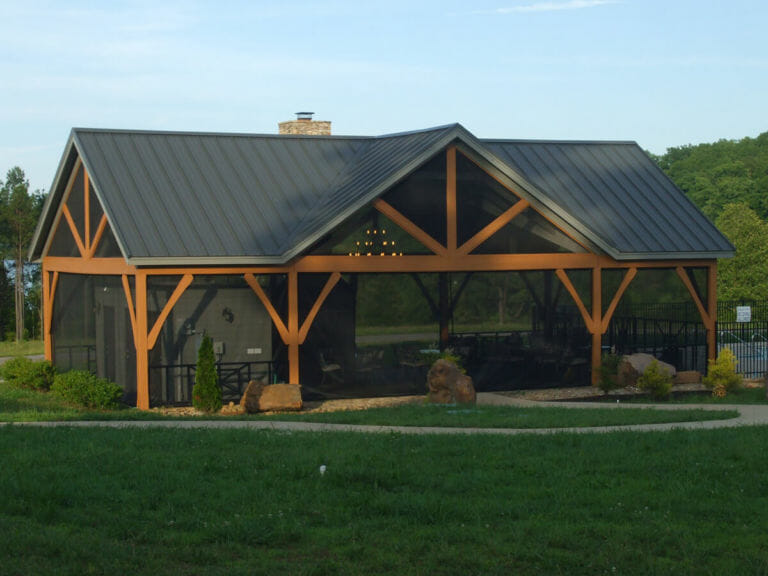
Fabricated Ready-to-Hang Custom Insect Curtains to Screen Patio Enclosures With Easy Installation Kits
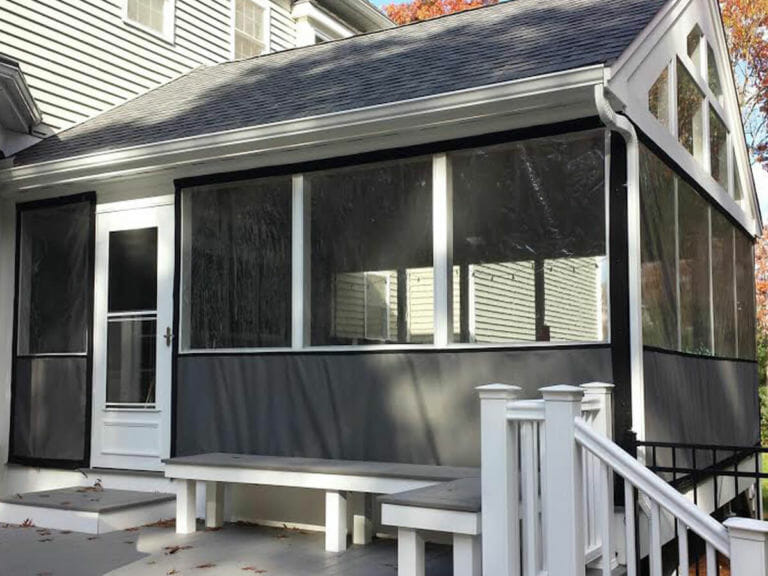
Create a Warm, Cozy Outdoor Weatherproof Space Sheltered From the Wind, Rain & Cold With Easy Installation Kits
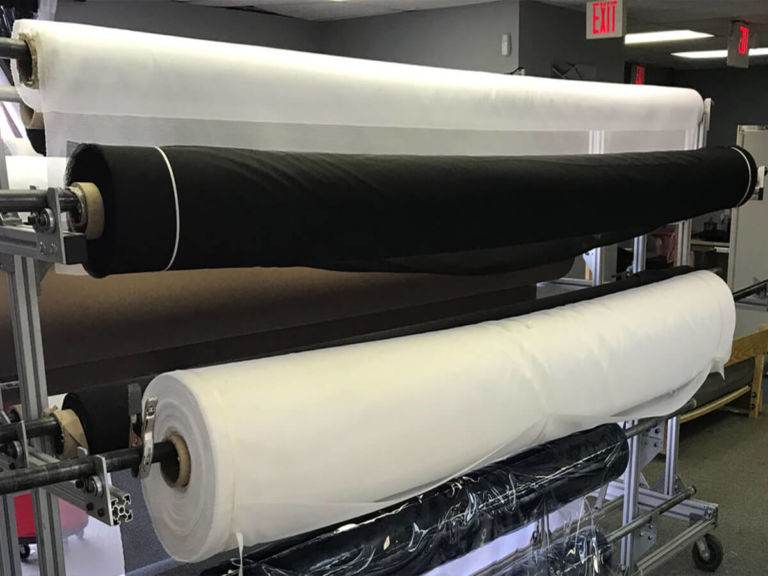
Mosquito Netting, No-See-Um, Shade Mesh, Industrial Mesh, & Scrim Mesh Fabrics For Any Project
Celebrating 20 years since 2004 and over 50,000 projects! (866) 622-0916




Are you a professional?
Find out how to use our modular system to add a new profit center to your business!
We are a small family business
Dedicated to quality and service
And making people happy
Just like the good old days
When humans answered the phone
And a promise was as good as gold!
We custom-make Mosquito Curtains
With exceptional marine-grade quality
Offered at an affordable price
Delivered in 3-8 business days
That are easy-to-self-install
So you can enjoy family time outdoors!
Screen Patio Enclosure Benefits
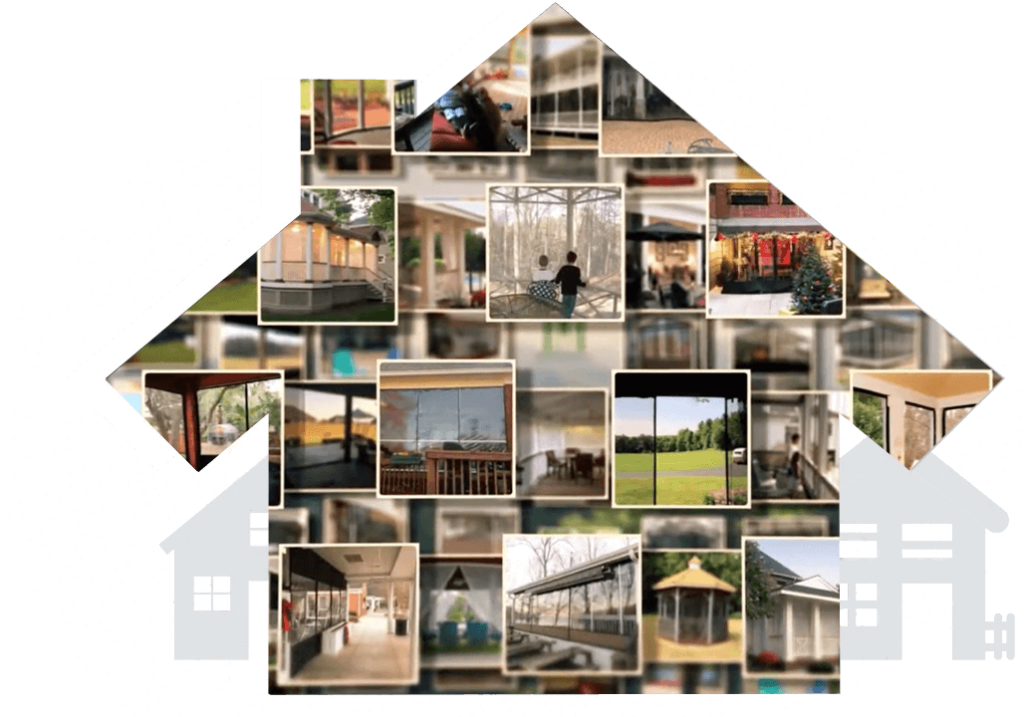
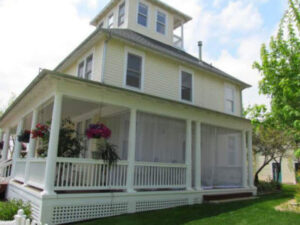
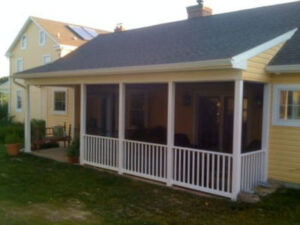
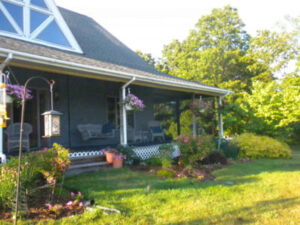
Are you sick of nasty mosquitoes hunting you and your family when you are trying to enjoy your porch or patio? Any area around your house with a covered roof can be converted into valuable outdoor living space or a screen porch with a mosquito netting curtain. A patio screen enclosure does much more than just add value to your home. Mosquito netting curtains add living space, enclose a gazebo, awning, houseboat, pergola, pontoon boat, porch, patio or anything with an overhead structure.
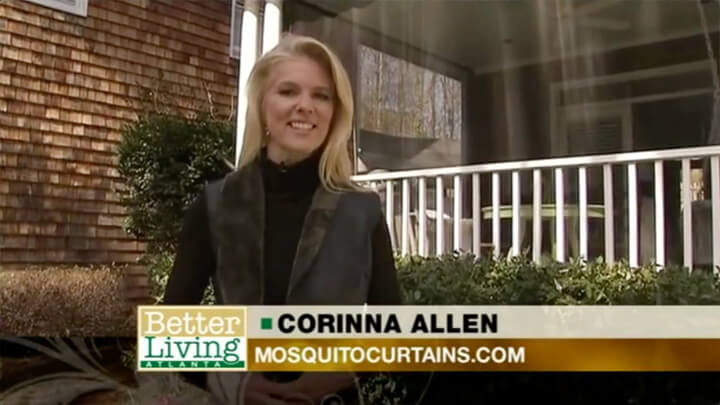
Mosquito Curtains Description (1:30)
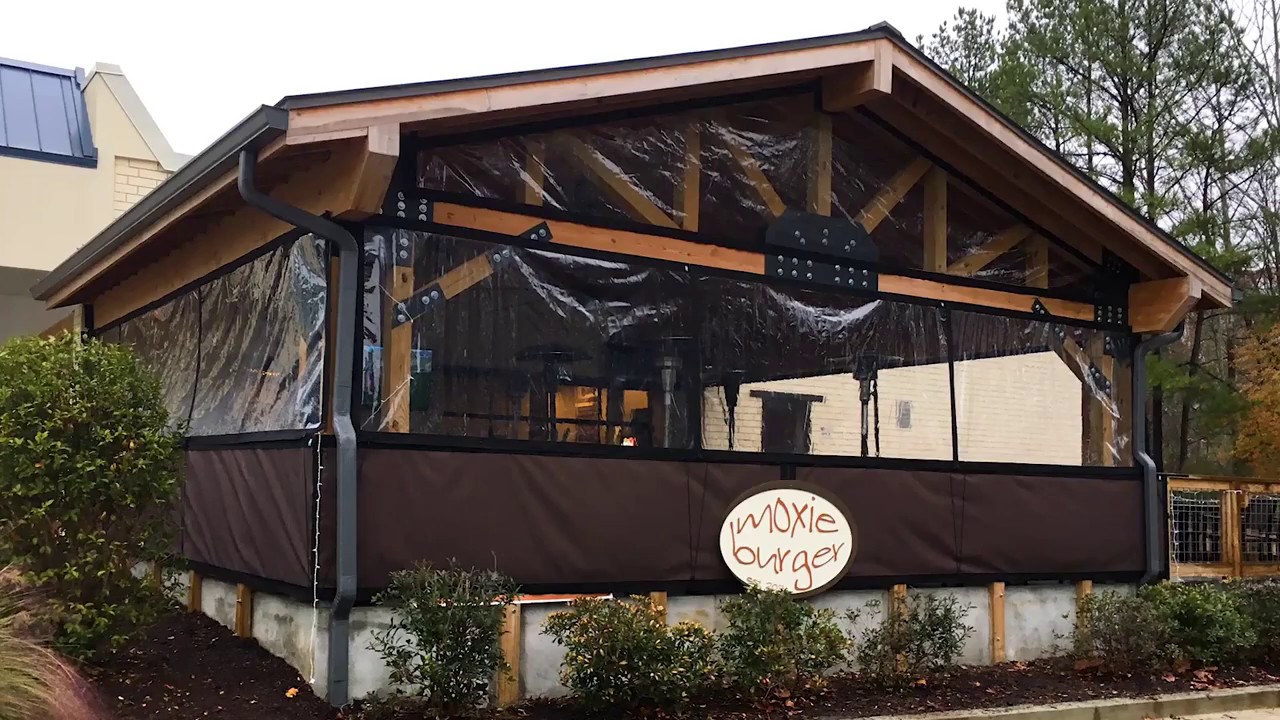
Clear Vinyl Description (1:44)
Clear Vinyl Plastic Enclosure Kits
Mosquito Netting Fabric
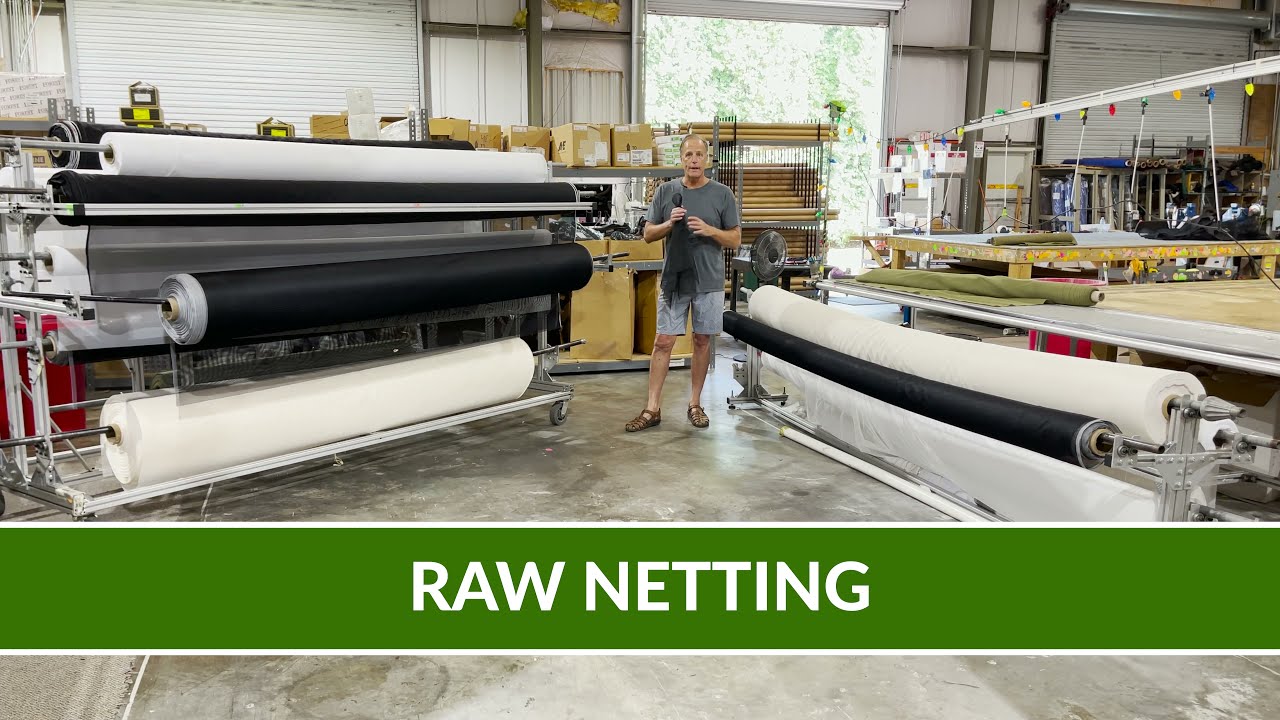
Sometimes you have a unique project for which you only want raw mosquito netting fabric to fashion your own solution. Our quality is unmatched unlike cheap mosquito netting you may have seen on aluminum gazebos at home improvement stores. Our Mosquito netting mesh is lock stitched and will not unravel when cut. All our mesh netting is solution dyed for fade resistance and UV thread protection. Lastly we have “Big” jumbo sized net in sizes up to 12ft wide x ANY length. Our netting is often used in agriculture, HVAC filter screens, and even used as theater scrim material. We have different fabric weaves for privacy screens, shade screens, and noseeum screens. Check out our raw mosquito netting fabric store.