Marine-grade mesh, cut to fit your project
Choose the format that fits your project: raw netting in a standard roll width, cut to the length you need, or a custom finished panel made to your dimensions and ready to install.
Features shared across all mesh types
Five materials, one clear choice
Choose based on what matters most: everyday insect protection, tiny-bug defense, shade, heavy-duty strength, or a lighting-based reveal effect.
 Most Popular
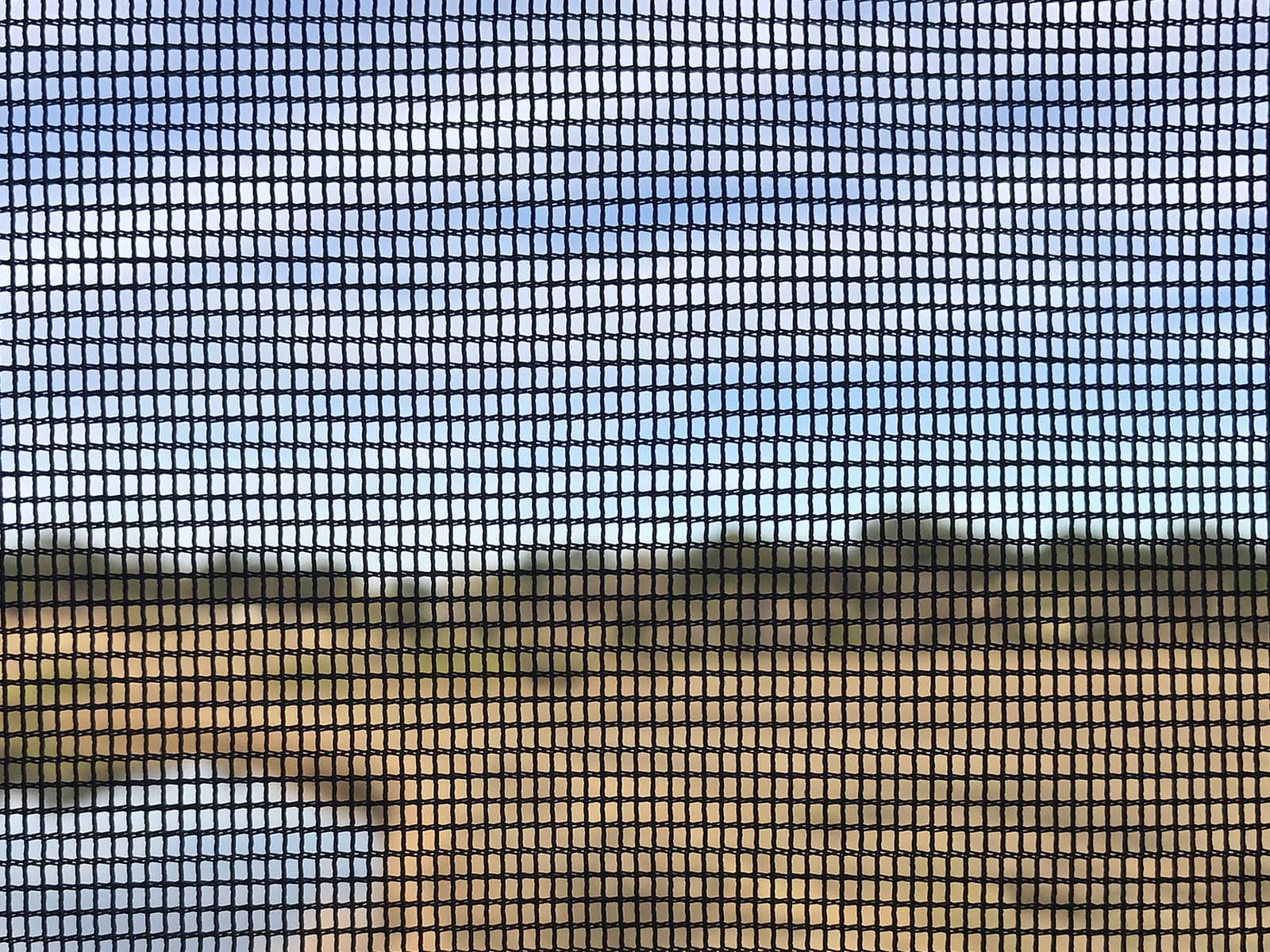
Heavy Mosquito Mesh
Blocks mosquitoes while allowing strong airflow and clear visibility
An all-purpose option for patios, porches, doors, and other outdoor enclosures.
Starts at $5.50/ft
Shop Heavy Mosquito Mesh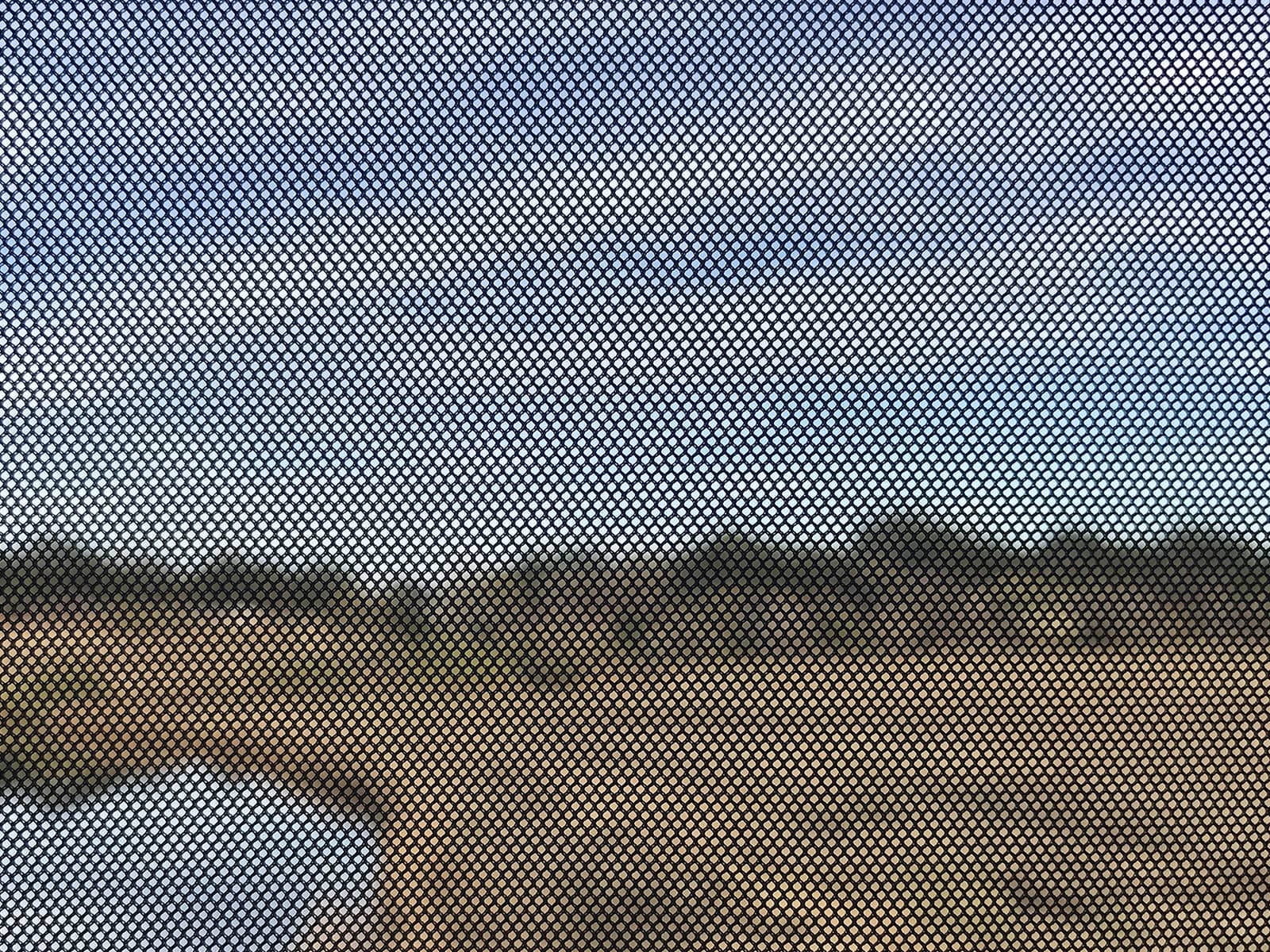
No-See-Um Mesh
Blocks no-see-ums and other insects smaller than mosquitoes.
An option for areas where standard mosquito mesh cannot block smaller insects.
Starts at $6.00/ft
Shop No-See-Um Mesh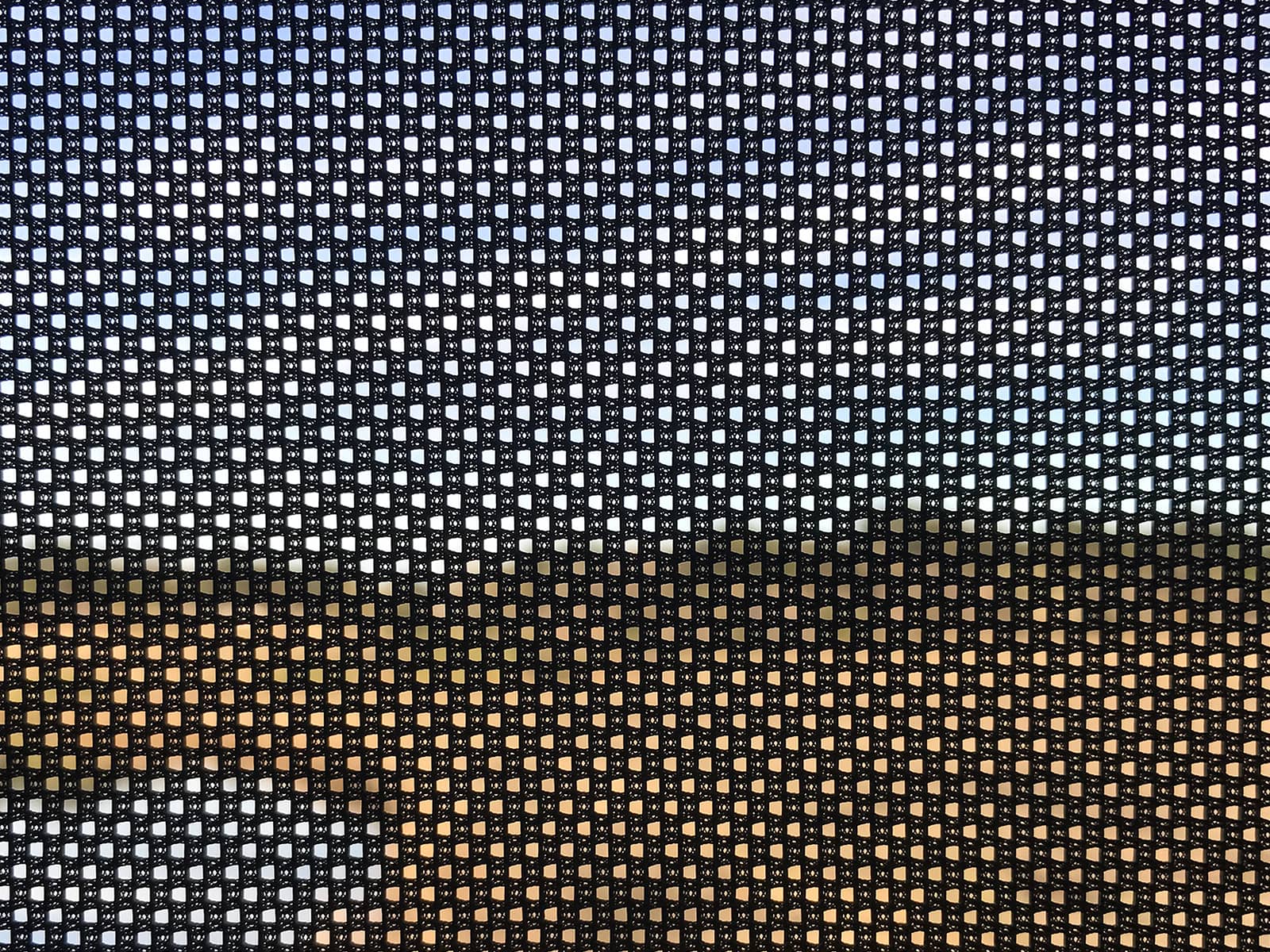
Shade Mesh
Reduces sunlight and adds privacy while preserving outward visibility.
A practical option for sunny spaces that need shade, privacy, and insect protection.
Starts at $7.00/ft
Shop Shade Mesh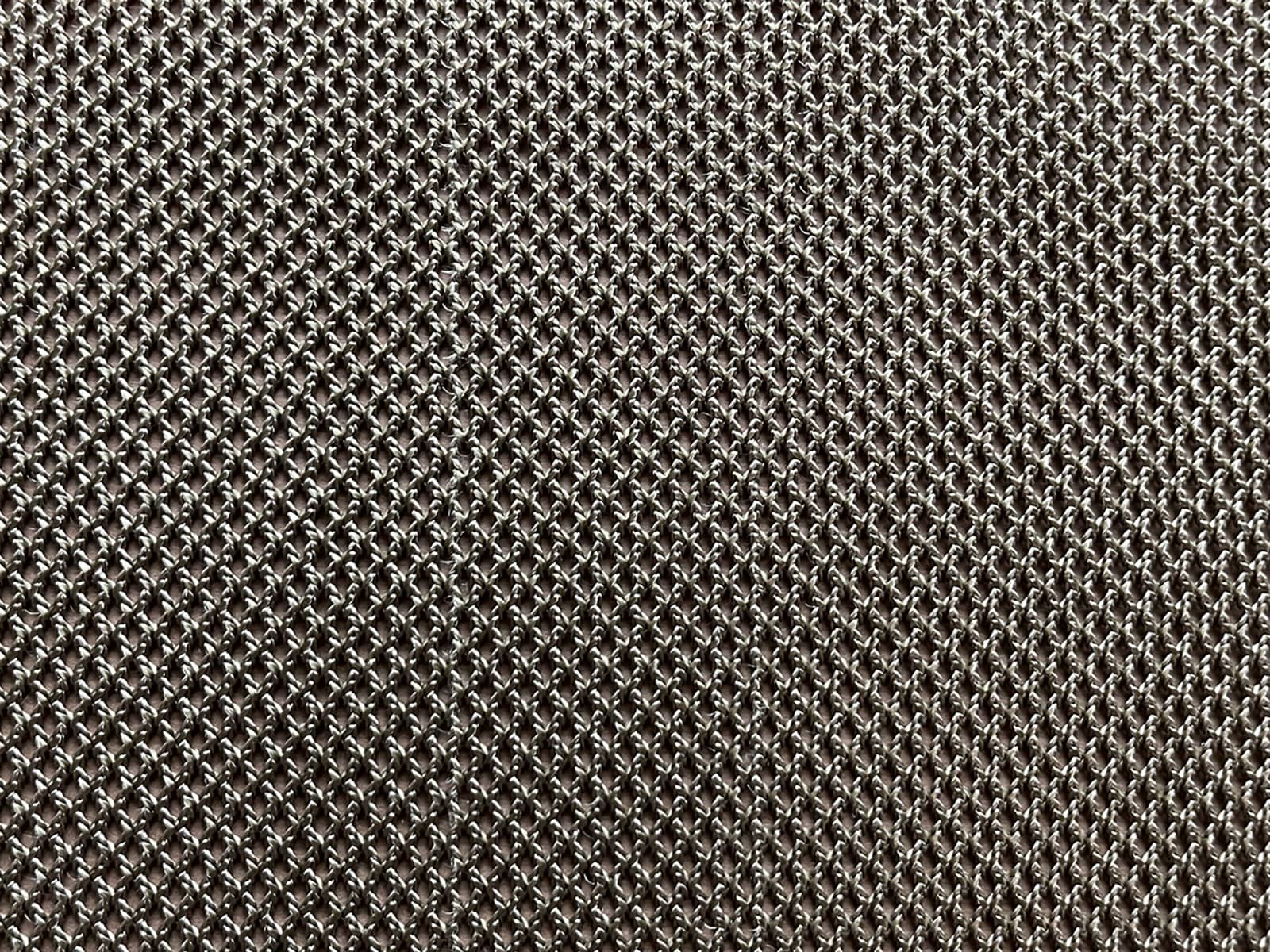
Industrial Mesh
Provides extra strength and durability for demanding installations.
A heavy-duty option for commercial, agricultural, and high-wear environments.
Starts at $4.00/ft
Shop Industrial Mesh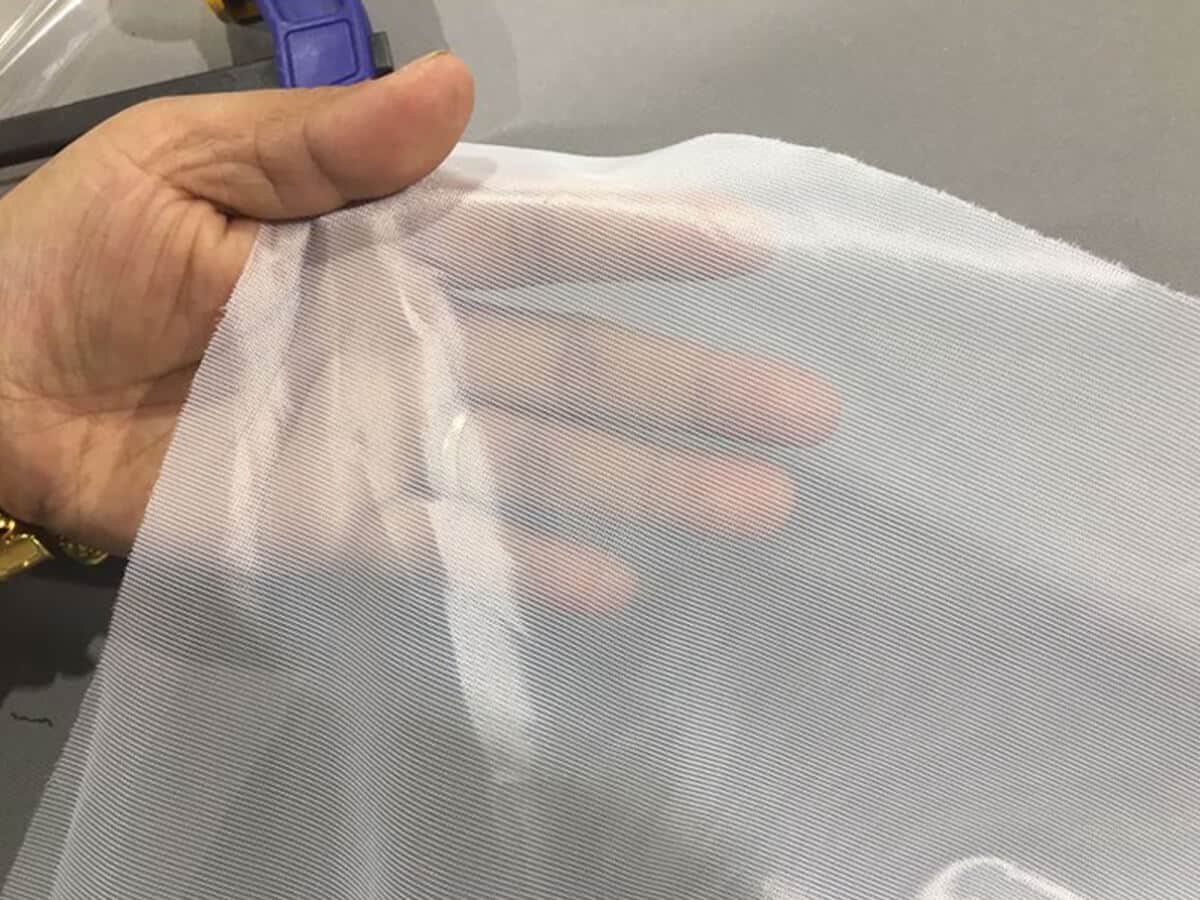
Theatre Scrim
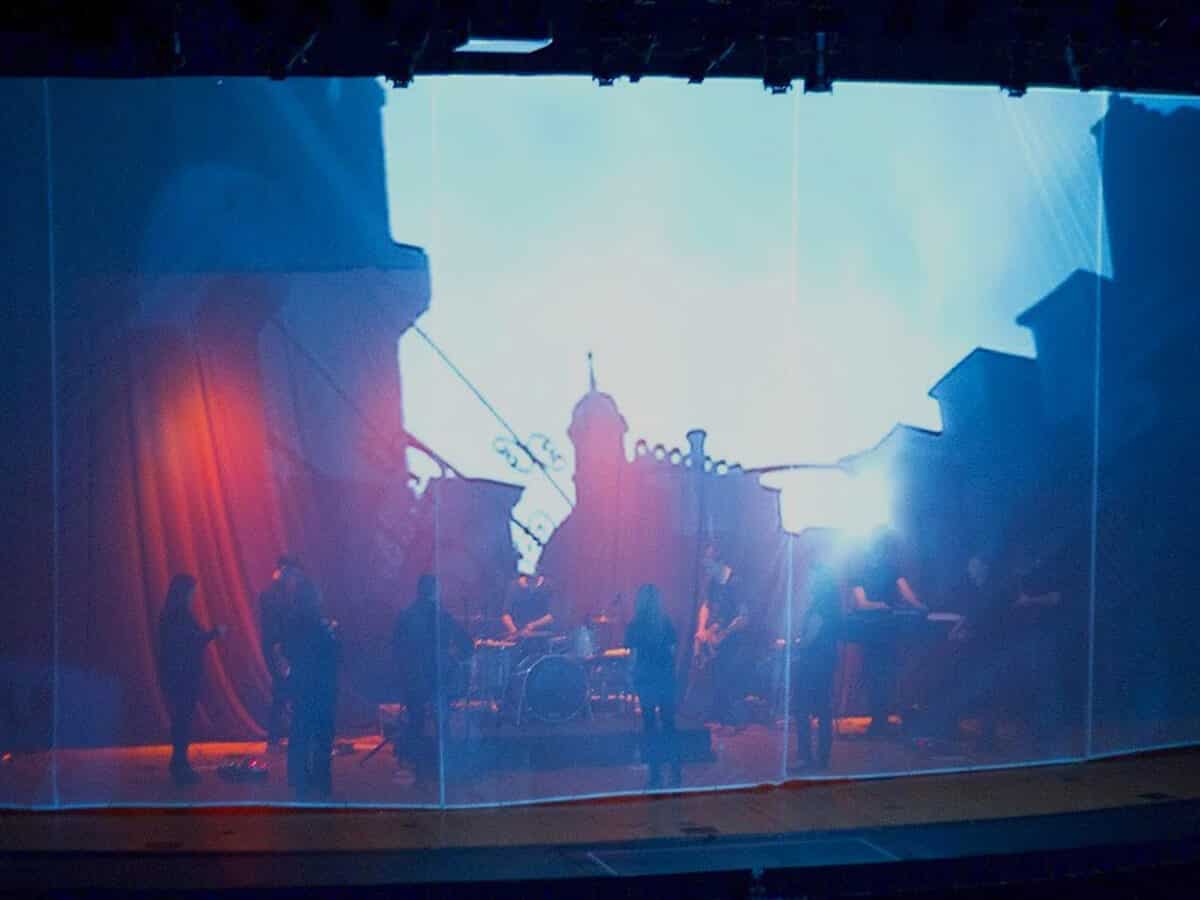
Changes from opaque to transparent depending on how it is lit.
A specialty option for stages, projections, performances, and visual displays.
Starts at $7.00/ft
Shop Theatre ScrimBuild your order
Configure your raw netting
How would you like to order?
Choose your mesh type
Choose a color
Select your roll width and length
Loading roll options…
Order Summary
- Order method
- By the foot
- Mesh type
- Heavy Mosquito
- Color
- Black
- Width
- —
- Length
- —
- Quantity
- 1 sheet
Custom-cut and shipped within 3-7 business days.
Need to attach your mesh?
Here you can find the right hardware
Add the snaps, grommets, cord, webbing, Velcro, or cable ties needed to secure and tension your raw netting.
To secure the edges
Use snaps, grommets, or webbing to attach the mesh.
To keep it tensioned
Use elastic cord to reduce loose or sagging sections.
To make it removable
Use Velcro or cable ties for easier removal and adjustments.
To secure the edges
Use snaps, grommets, or webbing to attach the mesh.
To keep it tensioned
Use elastic cord to reduce loose or sagging sections.
To make it removable
Use Velcro or cable ties for easier removal and adjustments.
See it in action
What makes our raw netting different
Crystal-clear visibility
Learn how mesh color and surrounding light affect visibility and privacy.
Bug-proof & built to last
Understand what makes this mesh durable enough for long-term outdoor use.
Limitless applications
See how raw netting can work across a wide range of projects.
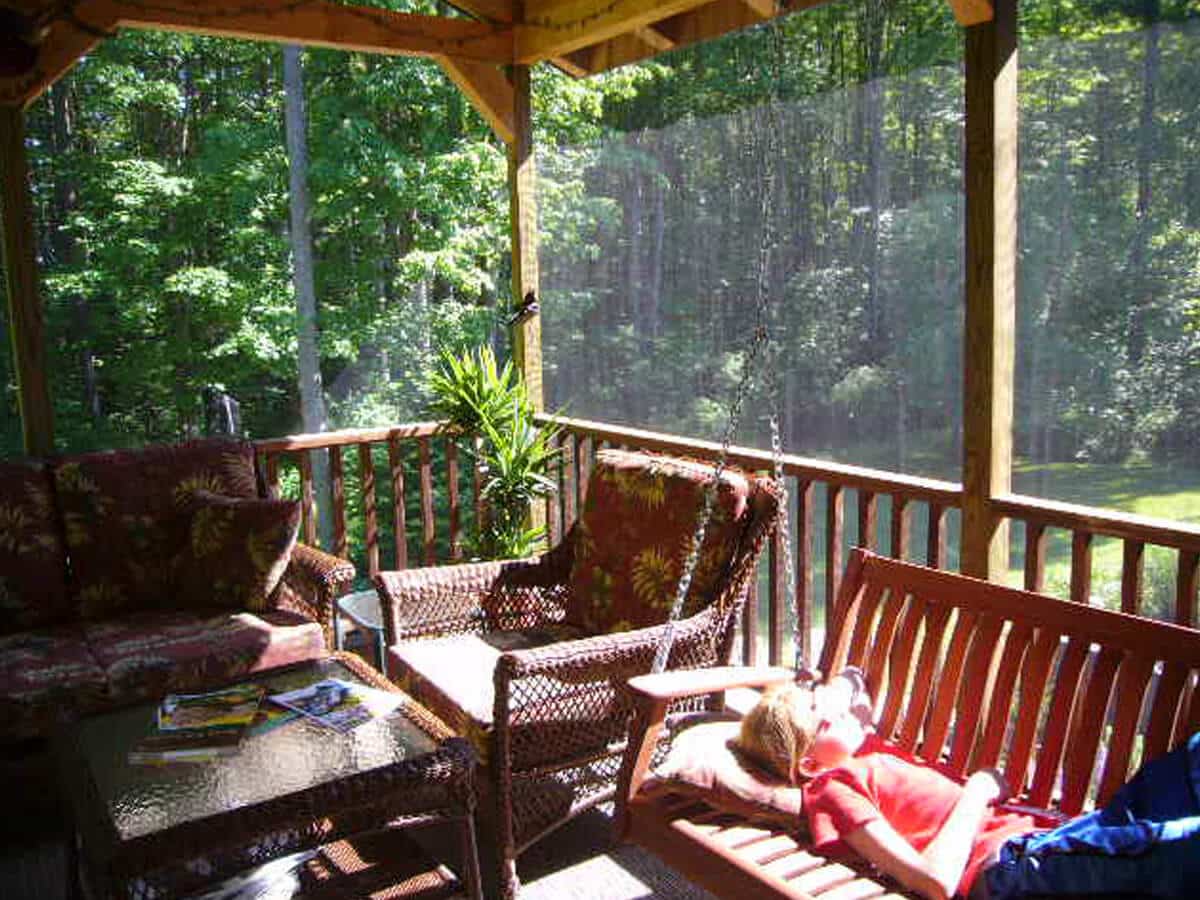
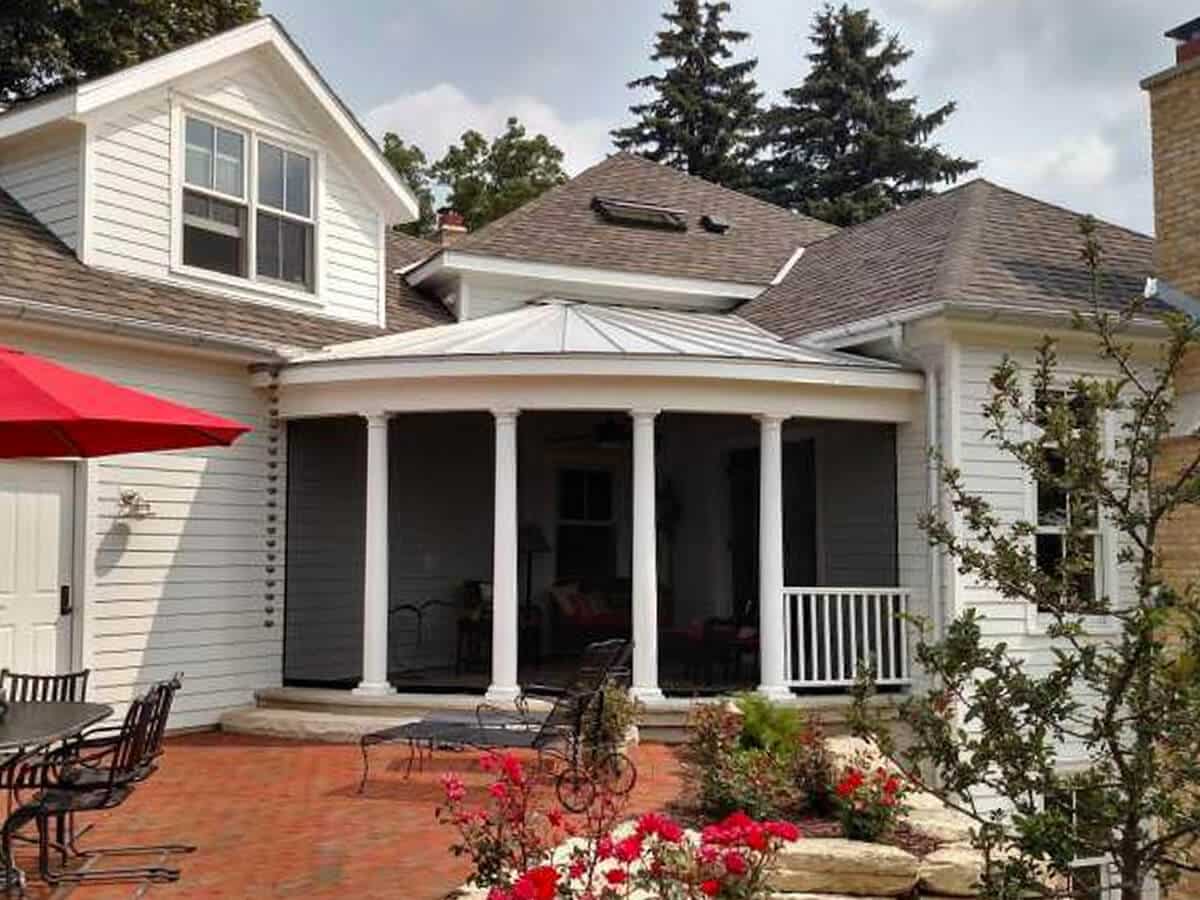
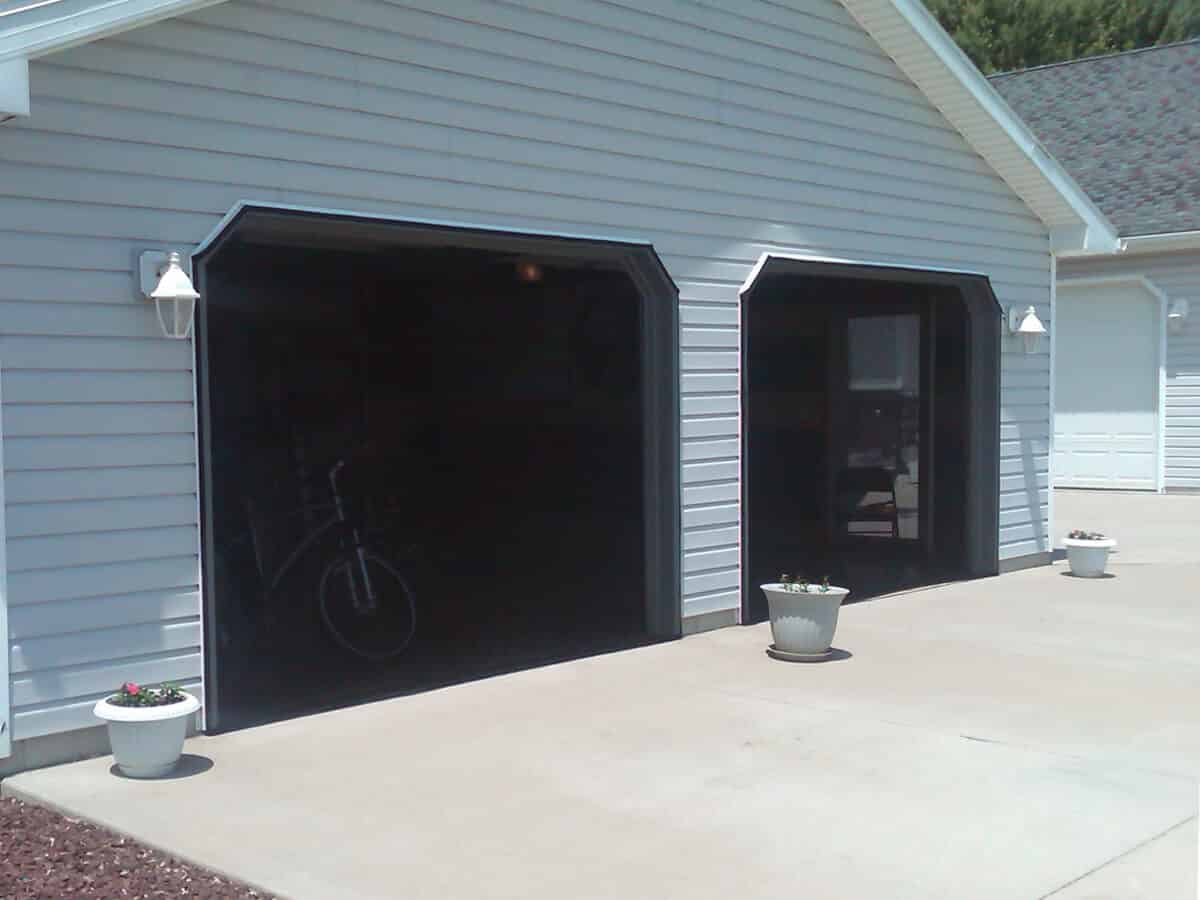
Project gallery
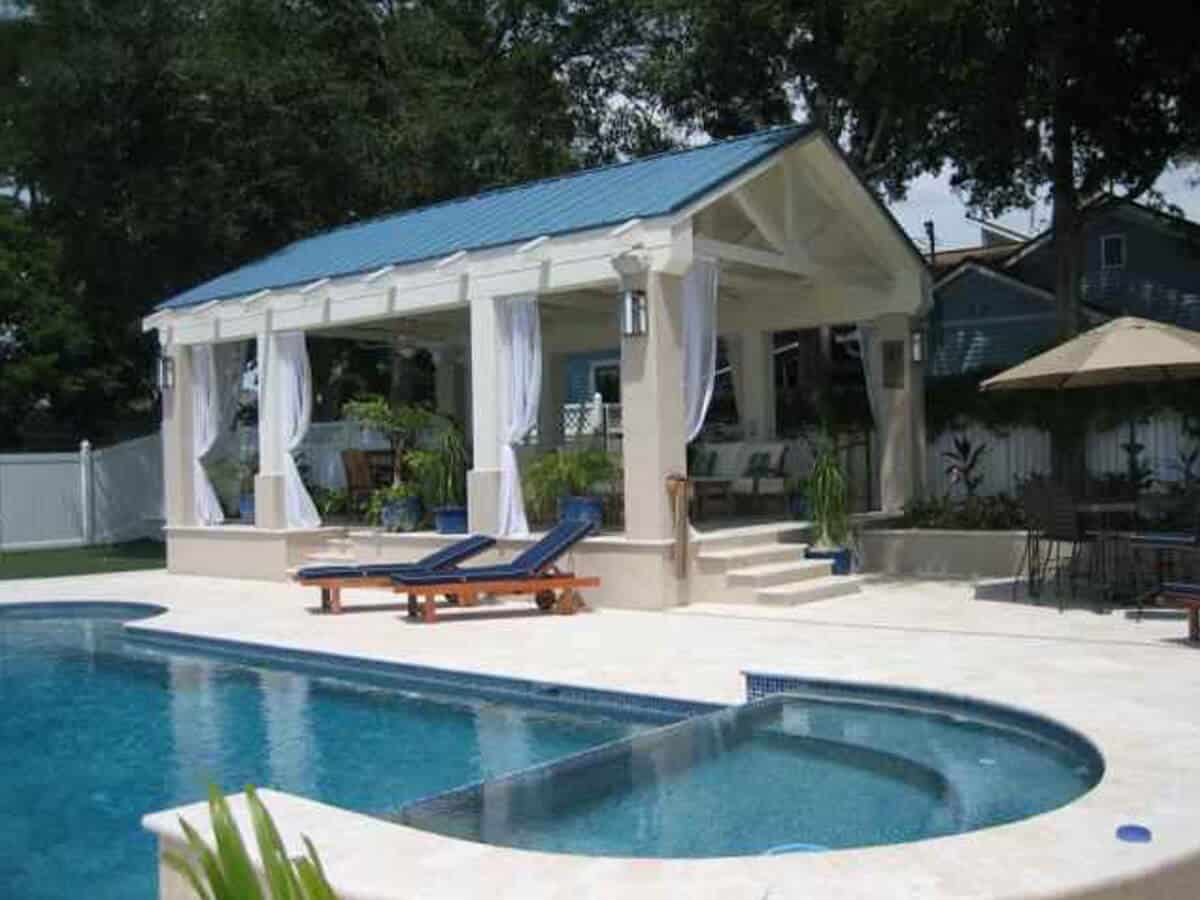
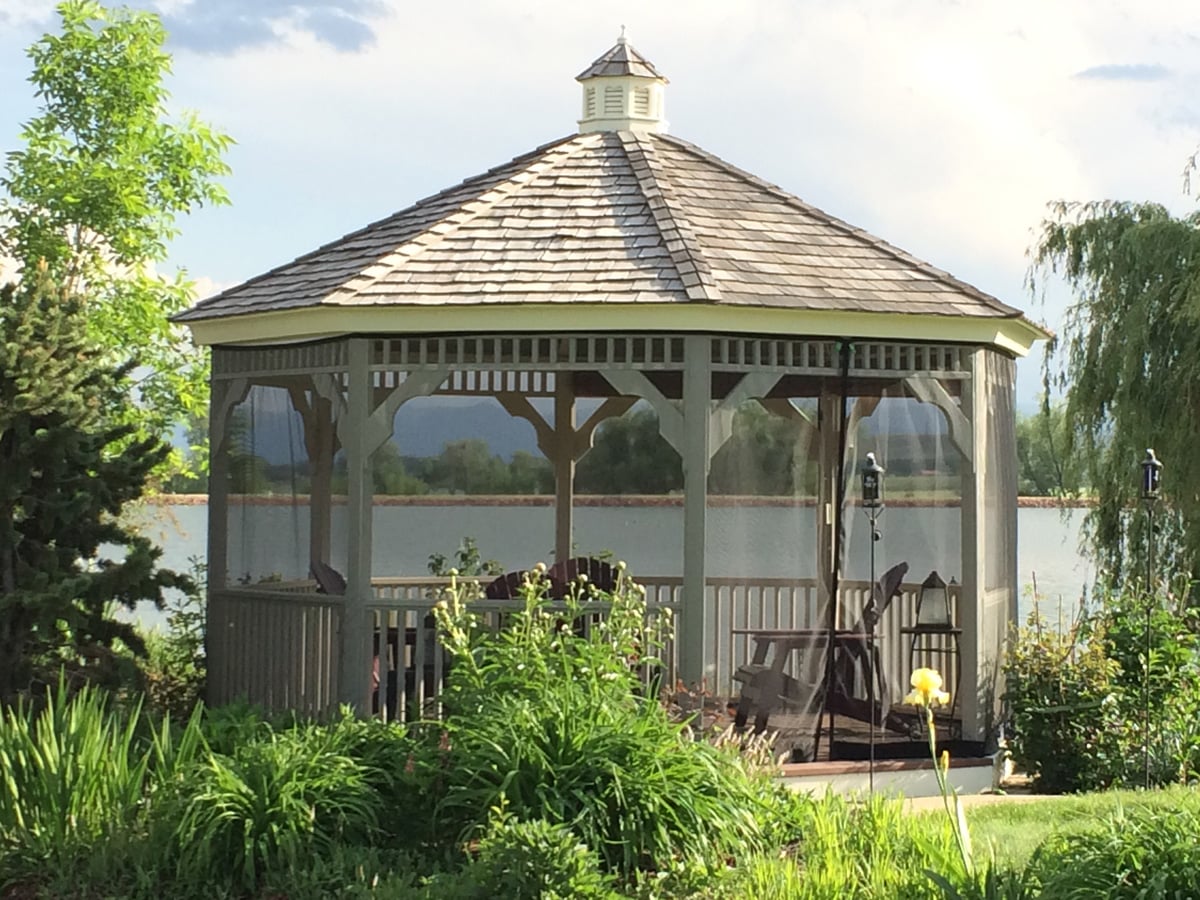
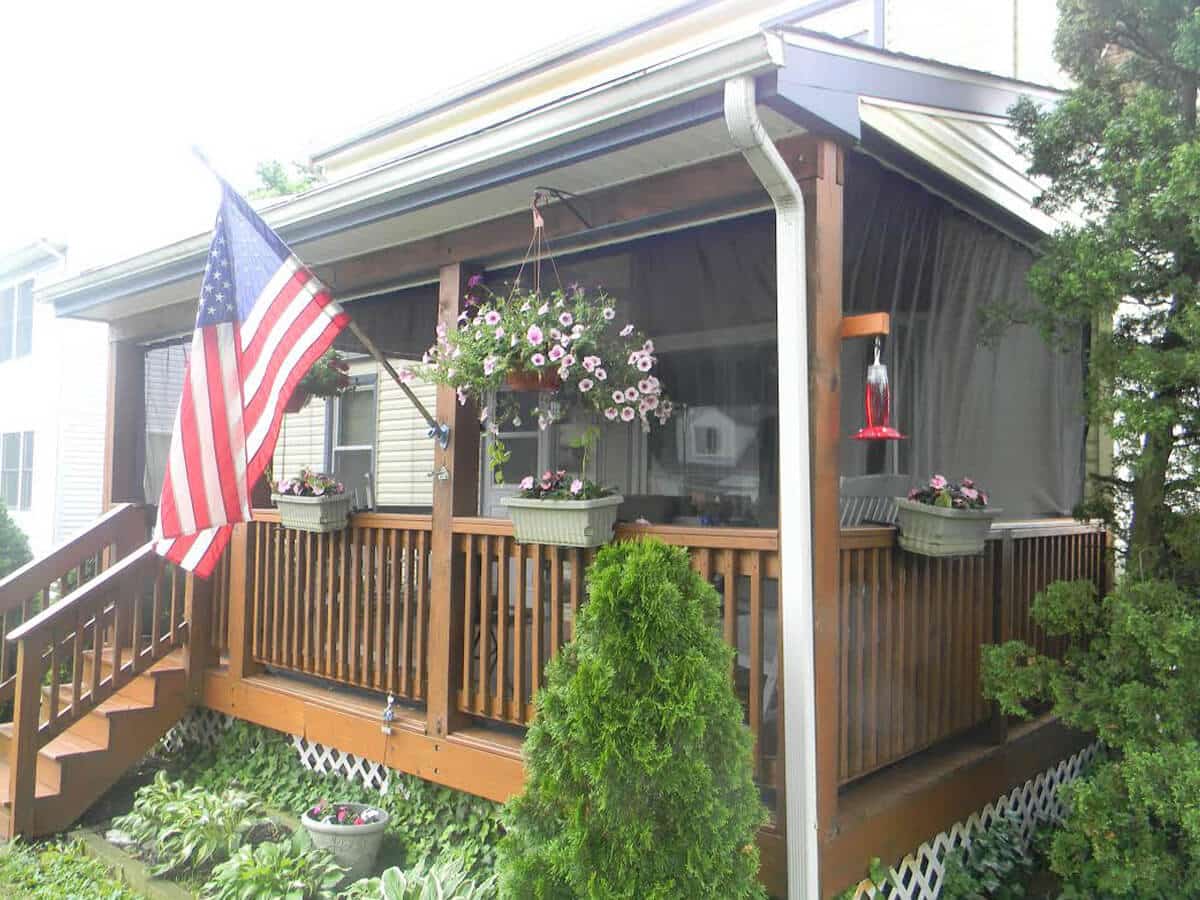
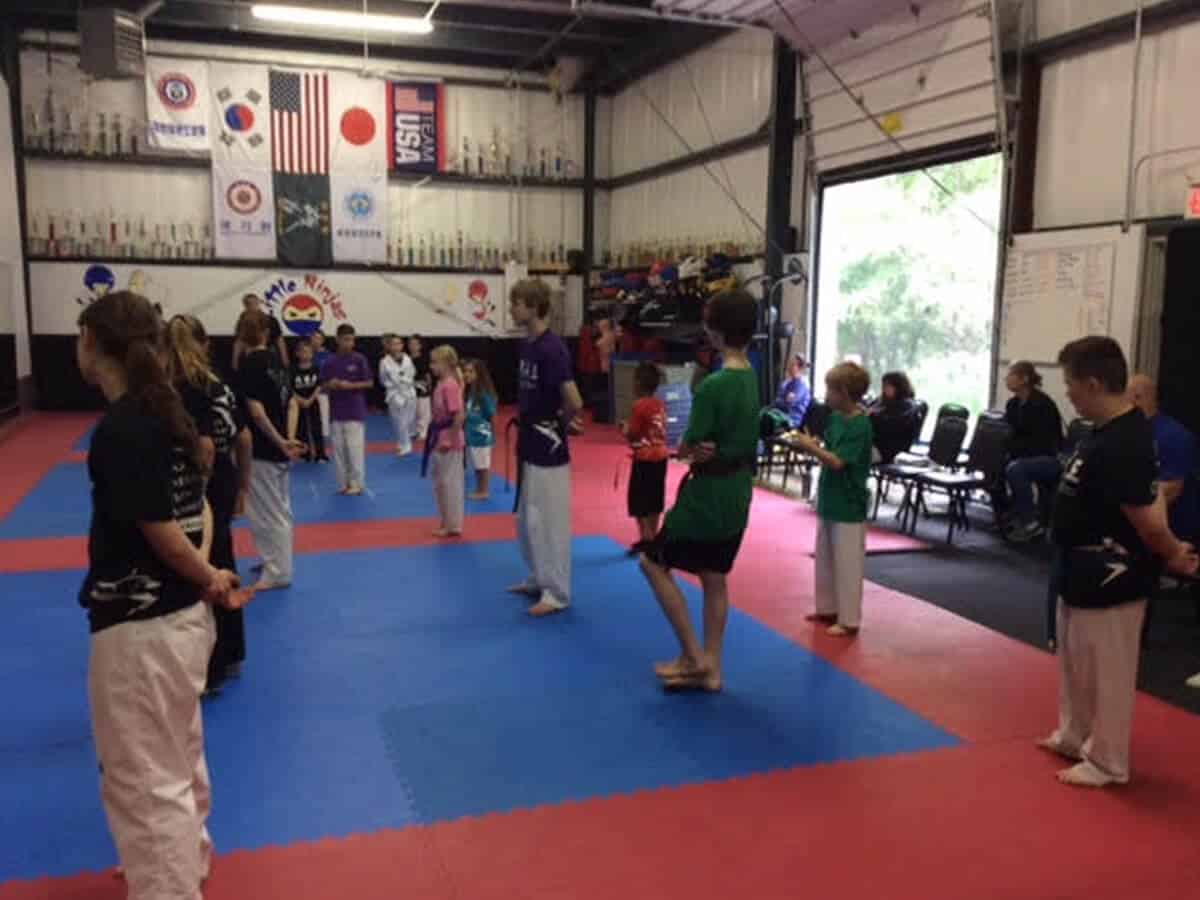
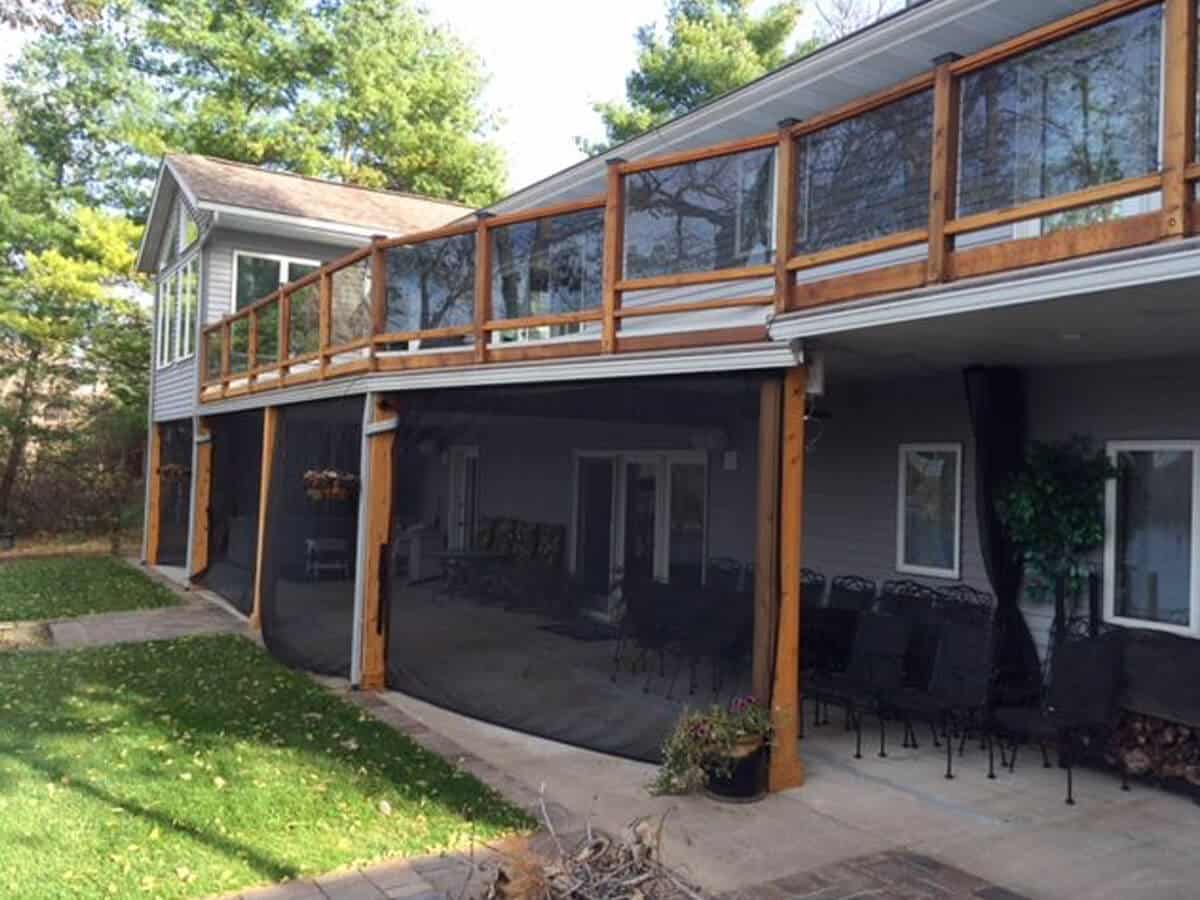
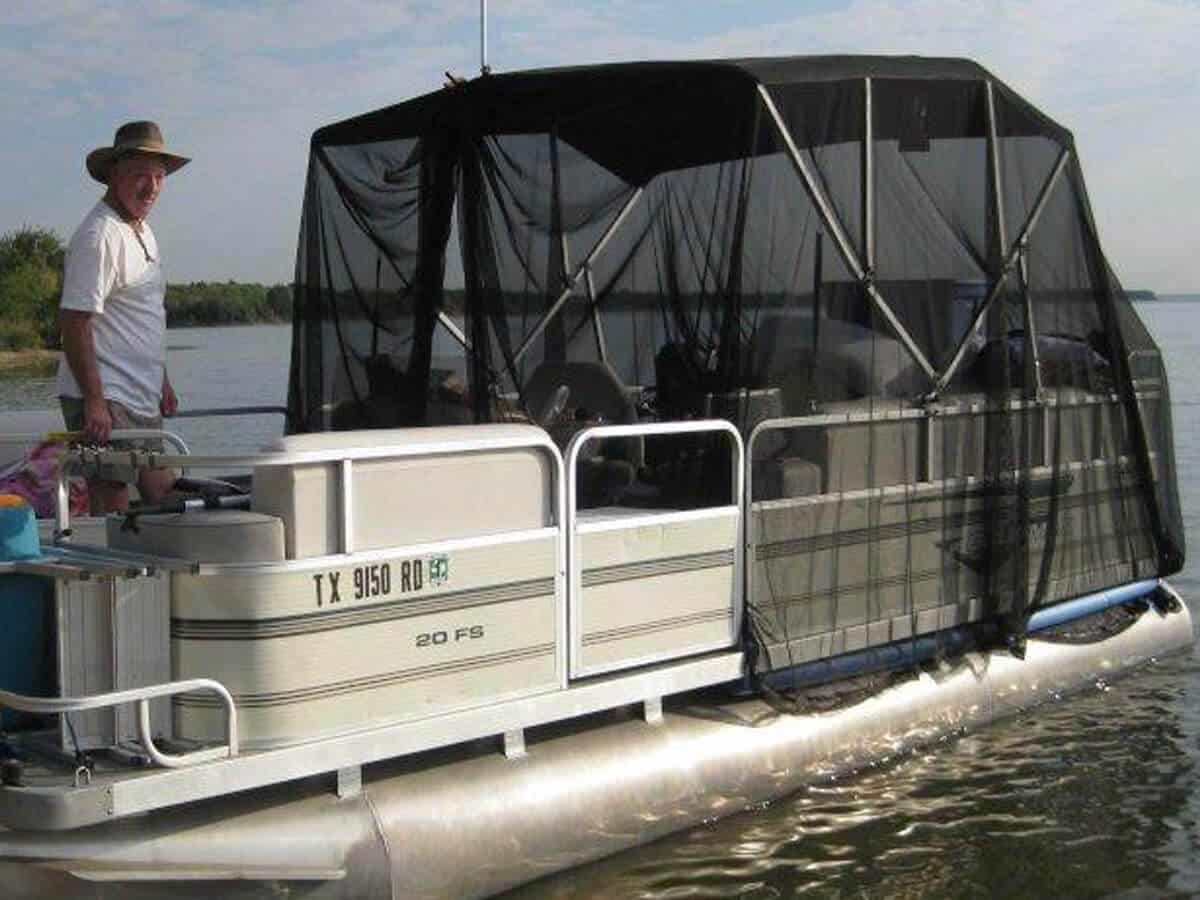
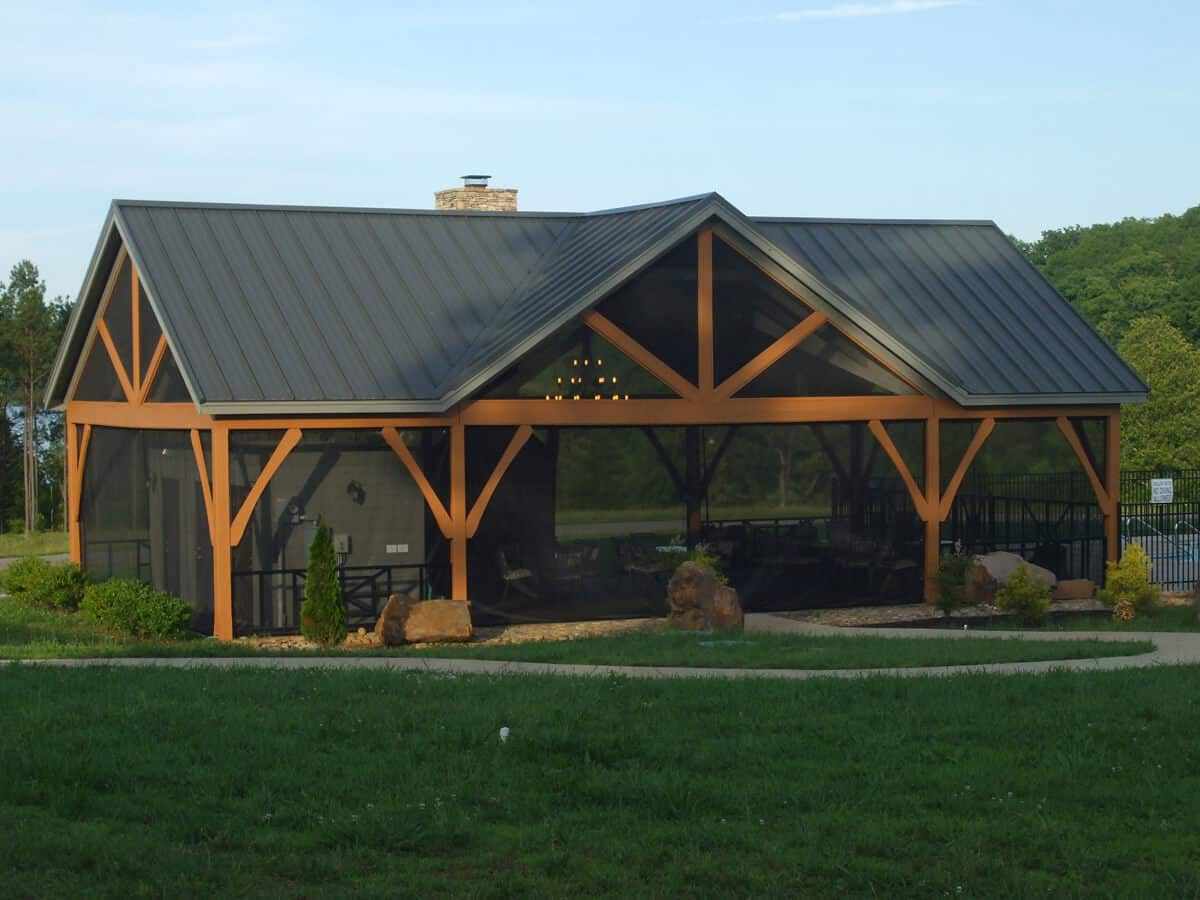
See what customers build with raw netting

Frequently asked questions (FAQ)
Choose raw netting if you plan to cut and attach the material yourself. Choose a finished panel if you want it fabricated to your dimensions and ready for your preferred attachment method.
Ready to Order Your Custom-Cut Raw Netting?
Choose your mesh, color, roll width, and length. We cut it from massive rolls and ship in 3-7 business days.